Virtual Therapy & EMDR
Therapy for women navigating the complexity of holding it all together.
I’m Desiree Meszaros, a licensed therapist who works with women in their 30s and 40s navigating trauma, anxiety, and painful relationship patterns. I use EMDR alongside a relational, person-centered approach to help you process what’s been hard and make sense of what you’re carrying.

Virtual Therapy & EMDR
Therapy for women navigating the complexity of holding it all together.
I’m Desiree Meszaros, a licensed therapist who works with women in their 30s and 40s navigating trauma, anxiety, and painful relationship patterns. I use EMDR alongside a relational, person-centered approach to help you process what’s been hard and make sense of what you’re carrying.
Virtual Therapy & EMDR
Therapy for women navigating the complexity of holding it all together.
I’m Desiree Meszaros, a licensed therapist who works with women in their 30s and 40s navigating trauma, anxiety, and painful relationship patterns. I use EMDR alongside a relational, person-centered approach to help you process what’s been hard and make sense of what you’re carrying.
Who I Work With
You're managing a lot. And most of it, no one sees.
Most of my clients are women in their 30s and 40s, often carrying something heavy while keeping everything else running.
While most of my clients are women, I welcome anyone who resonates with this approach. My practice is LGBTQ+ affirming and inclusive.

Trauma that followed you
Sexual trauma, childhood abuse, neglect, or experiences you've never fully talked about. You've been functioning, but something is still stuck.

Relationships that feel impossible
With partners, with family, with friends. You keep trying, but the same dynamics keep playing out. It's exhausting.

Anxiety that runs the show
The kind that makes you second-guess everything. That keeps you up at night. That makes you feel like you're holding it all together with both hands.

The weight you carry as a mom
Parenting while processing your own stuff is brutal. You want to do it differently than it was done for you, but you're not always sure how.
Who I Work With
You're managing a lot. And most of it, no one sees.
Most of my clients are women in their 30s and 40s, often carrying something heavy while keeping everything else running.
While most of my clients are women, I welcome anyone who resonates with this approach. My practice is LGBTQ+ affirming and inclusive.
Trauma that followed you
Sexual trauma, childhood abuse, neglect, or experiences you've never fully talked about. You've been functioning, but something is still stuck.
Relationships that feel impossible
With partners, with family, with friends. You keep trying, but the same dynamics keep playing out. It's exhausting.
Anxiety that runs the show
The kind that makes you second-guess everything. That keeps you up at night. That makes you feel like you're holding it all together with both hands.
The weight you carry as a mom
Parenting while processing your own stuff is brutal. You want to do it differently than it was done for you, but you're not always sure how.
Who I Work With
You're managing a lot. And most of it, no one sees.
Most of my clients are women in their 30s and 40s, often carrying something heavy while keeping everything else running.
While most of my clients are women, I welcome anyone who resonates with this approach. My practice is LGBTQ+ affirming and inclusive.
Trauma that followed you
Sexual trauma, childhood abuse, neglect, or experiences you've never fully talked about. You've been functioning, but something is still stuck.
Relationships that feel impossible
With partners, with family, with friends. You keep trying, but the same dynamics keep playing out. It's exhausting.
Anxiety that runs the show
The kind that makes you second-guess everything. That keeps you up at night. That makes you feel like you're holding it all together with both hands.
The weight you carry as a mom
Parenting while processing your own stuff is brutal. You want to do it differently than it was done for you, but you're not always sure how.

My Approach
Therapy as something we do together.
I’m a person-centered therapist with a humanistic lens. That means I believe you are the expert on your own life. I’m not here to sit across from you and tell you who you are. I’m here to understand what it has been like to be you, and to help you make sense of what you’re carrying.
A lot of my clients have spent a long time feeling unseen, unheard, or alone with what hurts. Our work makes room for all of that. We slow down, get honest, and work with what’s actually there, together.
My Approach
Therapy as something we do together.
I’m a person-centered therapist with a humanistic lens. That means I believe you are the expert on your own life. I’m not here to sit across from you and tell you who you are. I’m here to understand what it has been like to be you, and to help you make sense of what you’re carrying.
A lot of my clients have spent a long time feeling unseen, unheard, or alone with what hurts. Our work makes room for all of that. We slow down, get honest, and work with what’s actually there, together.
My Approach
Therapy as something we do together.
I’m a person-centered therapist with a humanistic lens. That means I believe you are the expert on your own life. I’m not here to sit across from you and tell you who you are. I’m here to understand what it has been like to be you, and to help you make sense of what you’re carrying.
A lot of my clients have spent a long time feeling unseen, unheard, or alone with what hurts. Our work makes room for all of that. We slow down, get honest, and work with what’s actually there, together.
EMDR
EMDR helps process what your nervous system is still carrying.
What is EMDR?
EMDR (Eye Movement Desensitization and Reprocessing) is a type of therapy that helps the brain process experiences that still feel unresolved or emotionally charged. Rather than only talking through what happened, EMDR works with how those experiences are stored in the mind and body, so they can begin to feel less overwhelming and more integrated.
How does it work?
In an EMDR session, we focus on a specific memory, feeling, or experience while using bilateral stimulation, often through guided eye movements. This helps the brain reprocess what happened in a way that can soften the intensity of the memory, loosen the emotional charge around it, and create more room for a different response. We move gradually, and you stay in control of the pace the entire time.
Who is it for / when is it useful?
EMDR can be especially helpful when something from the past still feels very present, whether that shows up as trauma, anxiety, painful relationship patterns, or emotional reactions that feel hard to shift. It can be useful when you understand something logically but still feel stuck in it emotionally. Sometimes EMDR becomes a central part of the work, and sometimes it sits alongside talk therapy, depending on what feels most helpful for you.

EMDR
EMDR helps process what your nervous system is still carrying.
What is EMDR?
EMDR (Eye Movement Desensitization and Reprocessing) is a type of therapy that helps the brain process experiences that still feel unresolved or emotionally charged. Rather than only talking through what happened, EMDR works with how those experiences are stored in the mind and body, so they can begin to feel less overwhelming and more integrated.
How does it work?
In an EMDR session, we focus on a specific memory, feeling, or experience while using bilateral stimulation, often through guided eye movements. This helps the brain reprocess what happened in a way that can soften the intensity of the memory, loosen the emotional charge around it, and create more room for a different response. We move gradually, and you stay in control of the pace the entire time.
Who is it for / when is it useful?
EMDR can be especially helpful when something from the past still feels very present, whether that shows up as trauma, anxiety, painful relationship patterns, or emotional reactions that feel hard to shift. It can be useful when you understand something logically but still feel stuck in it emotionally. Sometimes EMDR becomes a central part of the work, and sometimes it sits alongside talk therapy, depending on what feels most helpful for you.
EMDR
EMDR helps process what your nervous system is still carrying.
What is EMDR?
EMDR (Eye Movement Desensitization and Reprocessing) is a type of therapy that helps the brain process experiences that still feel unresolved or emotionally charged. Rather than only talking through what happened, EMDR works with how those experiences are stored in the mind and body, so they can begin to feel less overwhelming and more integrated.
How does it work?
In an EMDR session, we focus on a specific memory, feeling, or experience while using bilateral stimulation, often through guided eye movements. This helps the brain reprocess what happened in a way that can soften the intensity of the memory, loosen the emotional charge around it, and create more room for a different response. We move gradually, and you stay in control of the pace the entire time.
Who is it for / when is it useful?
EMDR can be especially helpful when something from the past still feels very present, whether that shows up as trauma, anxiety, painful relationship patterns, or emotional reactions that feel hard to shift. It can be useful when you understand something logically but still feel stuck in it emotionally. Sometimes EMDR becomes a central part of the work, and sometimes it sits alongside talk therapy, depending on what feels most helpful for you.

About
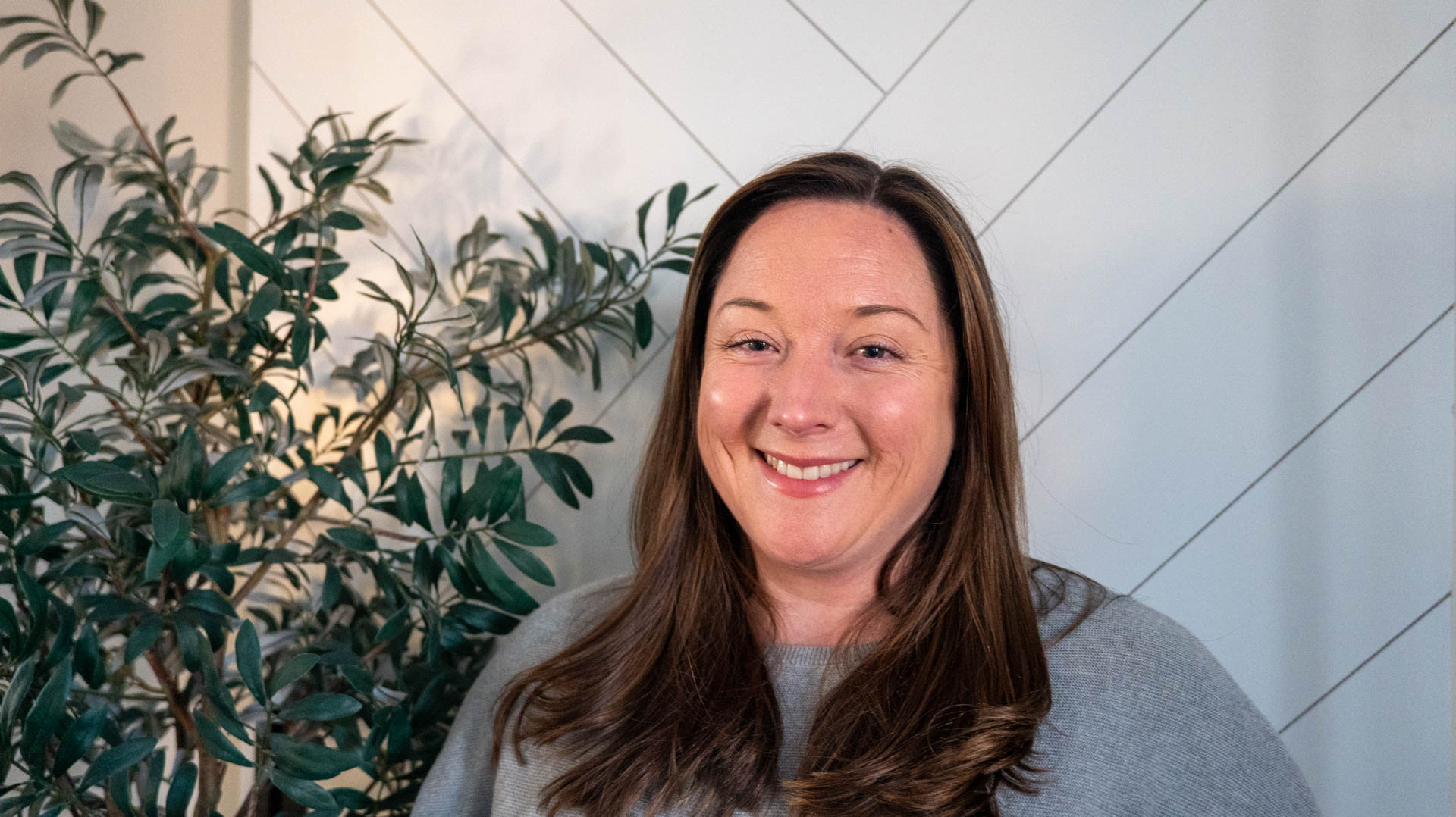
Hi, I'm Desiree.
I’ve been in practice since 2014. Before that, I spent nearly a decade in higher education, providing counseling to college students through CUNY’s College Discovery program. That work shaped a lot of how I practice now: with warmth, respect, and a real belief in people’s capacity to understand themselves more deeply.
I became a therapist because I believe people deserve thoughtful, high-quality care. I stayed because I love the work, especially the moments when something starts to shift and a person can meet themselves with a little more clarity and compassion. Outside of therapy, I’m also a registered yoga teacher with specialized training in brain injury recovery through the Love Your Brain Foundation.
Licensed Mental Health Counselor with Diagnostic Privilege (LMHC-D), New York
Licensed Mental Health Counselor (LMHC), Connecticut
Licensed Professional Counselor (LPC), New Jersey, Tennessee & Virginia
EMDR Certified (Advanced/Level 2)
Registered Yoga Teacher (RYT-200)
Love Your Brain Foundation Certified Teacher
About
Hi, I'm Desiree.
I’ve been in practice since 2014. Before that, I spent nearly a decade in higher education, providing counseling to college students through CUNY’s College Discovery program. That work shaped a lot of how I practice now: with warmth, respect, and a real belief in people’s capacity to understand themselves more deeply.
I became a therapist because I believe people deserve thoughtful, high-quality care. I stayed because I love the work, especially the moments when something starts to shift and a person can meet themselves with a little more clarity and compassion. Outside of therapy, I’m also a registered yoga teacher with specialized training in brain injury recovery through the Love Your Brain Foundation.
Licensed Mental Health Counselor with Diagnostic Privilege (LMHC-D), New York
Licensed Mental Health Counselor (LMHC), Connecticut
Licensed Professional Counselor (LPC), New Jersey, Tennessee & Virginia
EMDR Certified (Advanced/Level 2)
Registered Yoga Teacher (RYT-200)
Love Your Brain Foundation Certified Teacher
About
Hi, I'm Desiree.
I’ve been in practice since 2014. Before that, I spent nearly a decade in higher education, providing counseling to college students through CUNY’s College Discovery program. That work shaped a lot of how I practice now: with warmth, respect, and a real belief in people’s capacity to understand themselves more deeply.
I became a therapist because I believe people deserve thoughtful, high-quality care. I stayed because I love the work, especially the moments when something starts to shift and a person can meet themselves with a little more clarity and compassion. Outside of therapy, I’m also a registered yoga teacher with specialized training in brain injury recovery through the Love Your Brain Foundation.
Licensed Mental Health Counselor with Diagnostic Privilege (LMHC-D), New York
Licensed Mental Health Counselor (LMHC), Connecticut
Licensed Professional Counselor (LPC), New Jersey, Tennessee & Virginia
EMDR Certified (Advanced/Level 2)
Registered Yoga Teacher (RYT-200)
Love Your Brain Foundation Certified Teacher
Getting Started
Here's how this works.
I work entirely online. You can be anywhere in the states where I'm licensed (NY, NJ, CT, TN, VA). All you need is a private space and a stable internet connection.
1
Free consultation
We'll talk for about 15 minutes. You'll tell me a bit about what's going on, and I'll share how I might be able to help. No pressure. If we're not the right fit, I'll point you toward someone who might be.
2
First session
The first session is about getting to know each other. I'll ask about your history, what brought you here, and what you're hoping to get out of this. You share as much or as little as you're comfortable with.
3
Building the work
From there, we'll figure out the right rhythm together. Most clients meet weekly. Some meet biweekly. We'll use a combination of talk therapy and EMDR based on what you need.
Getting Started
Here's how this works.
I work entirely online. You can be anywhere in the states where I'm licensed (NY, NJ, CT, TN, VA). All you need is a private space and a stable internet connection.
1
Free consultation
We'll talk for about 15 minutes. You'll tell me a bit about what's going on, and I'll share how I might be able to help. No pressure. If we're not the right fit, I'll point you toward someone who might be.
2
First session
The first session is about getting to know each other. I'll ask about your history, what brought you here, and what you're hoping to get out of this. You share as much or as little as you're comfortable with.
3
Building the work
From there, we'll figure out the right rhythm together. Most clients meet weekly. Some meet biweekly. We'll use a combination of talk therapy and EMDR based on what you need.
Getting Started
Here's how this works.
I work entirely online. You can be anywhere in the states where I'm licensed (NY, NJ, CT, TN, VA). All you need is a private space and a stable internet connection.
1
Free consultation
We'll talk for about 15 minutes. You'll tell me a bit about what's going on, and I'll share how I might be able to help. No pressure. If we're not the right fit, I'll point you toward someone who might be.
2
First session
The first session is about getting to know each other. I'll ask about your history, what brought you here, and what you're hoping to get out of this. You share as much or as little as you're comfortable with.
3
Building the work
From there, we'll figure out the right rhythm together. Most clients meet weekly. Some meet biweekly. We'll use a combination of talk therapy and EMDR based on what you need.
FAQs
Frequently asked questions
The things people usually want to know before they start.
Do you take insurance?
I'm not currently in-network with any insurance plans. I can provide superbills so you can submit for out-of-network reimbursement through your provider. Many clients are able to get a portion of the cost covered this way.
What does therapy cost?
Sessions are 45 minutes. Rates start at $250 and vary by state. We'll talk through specifics during your consultation.
Do you offer sliding scale?
I never want cost to be the thing that keeps you from getting help. I keep a limited number of sliding-scale spots available. If that's something you need, just bring it up. We'll figure it out.
Is EMDR right for me?
EMDR is effective for a wide range of issues, not just "big T" trauma. If you're dealing with anxiety, difficult memories, patterns you can't seem to break, or emotional responses that feel disproportionate to the situation, EMDR might be a great fit. We'll talk about it in your consultation.
What if I'm not sure I have trauma?
That's more common than you'd think. Trauma isn't always a single traumatic event. It can be years of being dismissed, neglected, or not having your emotional needs met. If something from your past is still affecting how you feel or how you relate to people, that's worth exploring.
What states are you licensed in?
New York, New Jersey, Connecticut, Virginia and Tennessee. You need to be physically located in one of these states during our sessions.
Do you work with men or non-binary clients?
Yes. Most of my clients are women, but I've worked with men and non-binary clients throughout my career. If you resonate with my approach, you're welcome here.
Get in Touch
Let's see if we're a good fit.
Schedule a free 15-minute consultation. We'll talk about what's going on and whether working together makes sense. That's it.
desireemeszaros@gmail.com
917-691-9442
Get in Touch
Let's see if we're a good fit.
Schedule a free 15-minute consultation. We'll talk about what's going on and whether working together makes sense. That's it.
desireemeszaros@gmail.com
917-691-9442
Get in Touch
Let's see if we're a good fit.
Schedule a free 15-minute consultation. We'll talk about what's going on and whether working together makes sense. That's it.
desireemeszaros@gmail.com
917-691-9442